 Napoli04
By InvitationHip HopNapoli
Tylerdurdan*
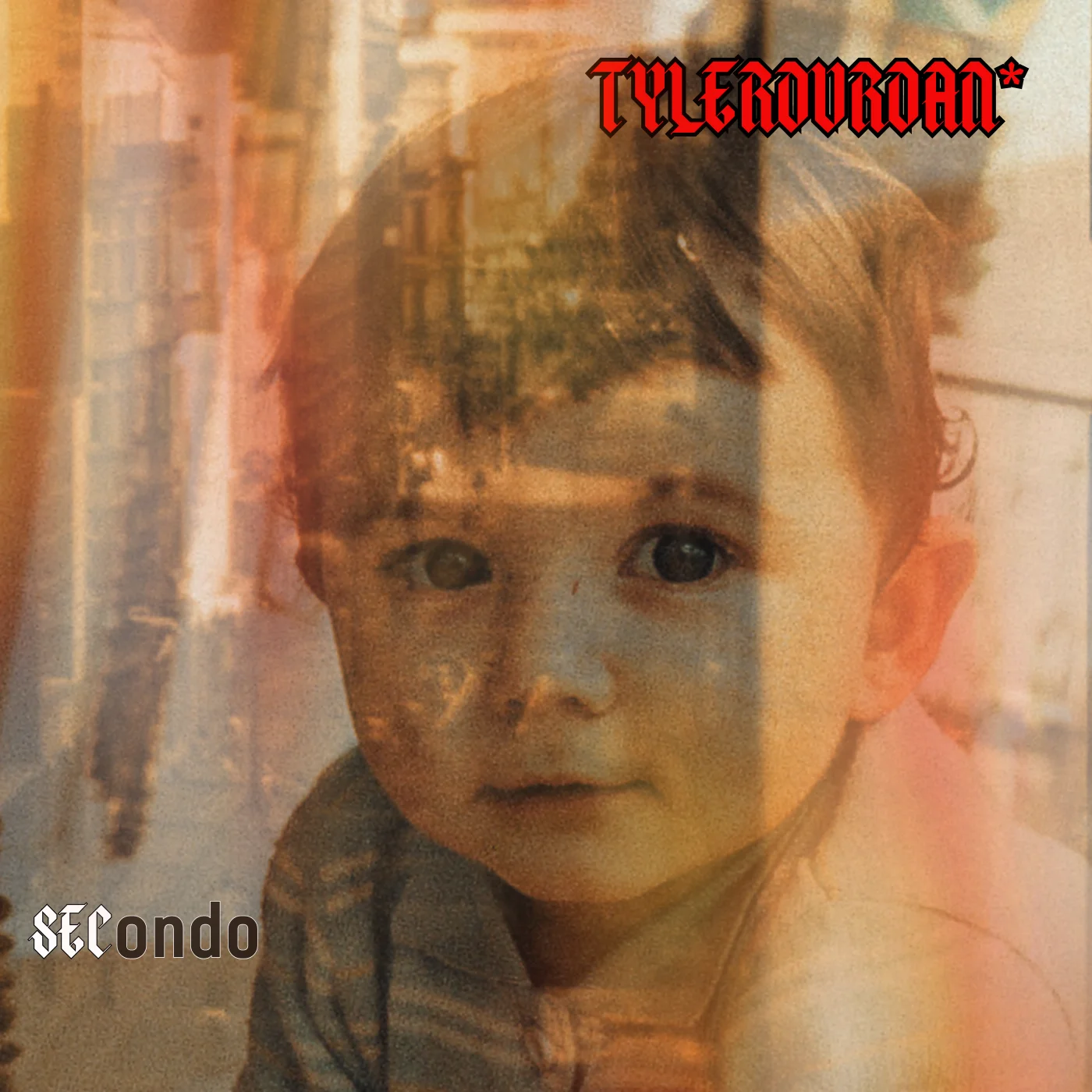
Tylerdurdan* is Raffaele Annunziata’s AI-driven music project, blending human-written lyrics with AI-generated voices and sound to explore identity, language, power and authorship through rap
T piènz che sò io l'intelligenza artificiale, so' artigianal'
— Tylerdurdan*
Transparency
Human × AI
How "Abbastanza" was made, role by role, as declared by the artist.
1Of 6 roles
by the artist
by the artist
Human
Lyrics
AI
Melody
AI
Vocals
AI
Arrangement
AI
Production
AI
Mix & master
Made by the artistMade with AI
AI tools used: Suno
The Interview
In conversation with Tylerdurdan*
How did you start making music with AI?
I started with writing. As Raffaele Annunziata, the author behind tylerdurdan*, I was interested in what happens when words, intention and lived experience meet a voice that has no body. AI gave me a way to turn that question into music. I write the lyrics, develop the concepts and structure each track, then work with AI-generated voices and sound. What interests me is the tension between deliberate choices and unexpected results: I define the narrative and meaning, while the technology becomes part of the creative process. That approach took shape in Buffet (2024), developed through Primo (2025), with producer Max Bertoli, and continues in Secondo (2026). Across these releases, rap has become my way of exploring identity, language and power, alongside a question that runs through the whole project: what does it mean to be an author when the tools of expression change?
What does AI do in your creative process — and what stays human?
AI generates the music and voice from lyrics I write myself. It expands the sonic possibilities of my writing, introducing unexpected results and a tension between intention and unpredictability. What stays human is the conceptual architecture, the language, the judgment and the responsibility for meaning. In Secondo, I organised the tracks into a progression from absence to excess, asking an ancient question within today’s digital culture: where does balance end and overload begin? Neapolitan dialect adds another dimension. It carries local rhythms, identity and social memory that do not always fit neatly into AI’s statistical patterns. The friction, including its imperfections, becomes part of the work. When technology can generate endlessly, my creative role includes deciding what deserves to exist, what to keep and when to stop. AI makes abundance possible; I remain responsible for finding the right measure.
Tell us about "Abbastanza". How was it made?
My featured track is “Abbastanza,” from my album Secondo. Its title means “enough,” and it asks how much we need, how much we tolerate, and what dignity means when even the essentials are denied. I wrote the lyrics in February 2025, developing the concept and structure myself, then using AI systems to generate the voice and sound. Human writing and intention guide the process. The track connects with Between Gaza and Naples, the photography and documentary project I created with Palestinian photographer Mahmoud Abu Qaraya. For the video, Mahmoud filmed a family’s forced displacement south within Gaza, months after the lyrics were written. The words and images were created independently, yet their encounter gave the song a deeply concrete meaning. Through this connection, “enough” becomes a question about survival, resistance and our responsibility towards one another. The artificial voice carries my words; Mahmoud’s footage bears witness to real lives.
“T piènz che sò io l'intelligenza artificiale, so' artigianal'”
Which tools do you use, and how?
I use Suno to create music from lyrics I write myself. I develop the concept, narrative and structure, then use the platform to generate the musical arrangement and voice. The writing is rooted in my own perspective; AI provides the means to turn it into sound. For “Abbastanza,” I then edited the music video using footage filmed in Gaza by Palestinian photographer and filmmaker Mahmoud Abu Qaraya, my collaborator on Between Gaza and Naples. The process brings together human writing, AI-generated music and documentary filmmaking. Each has a distinct role: I write the words and edit the video, Suno generates the music and vocals, and Mahmoud documents the reality he witnesses in Gaza. The footage comes directly from his camera and lived experience.
What does it mean to be an Italian artist in the AI music scene?
For me, it means building a path independently. I was the first in Italy to release an AI-made album, in June 2024; register my tracks with SIAE, in October; and sign with a traditional label, Visory Records, in November. I was also the first to collaborate with Barcelona’s University of the Arts on an AI-created score for the performance Colapesce. My project is cited on Wikipedia as an example of the relationship between music and artificial intelligence. More recently, a student at Politecnico di Milano used my work as a case study for a thesis on the subject. Yet these milestones have brought little recognition from mainstream media, which rarely give grassroots projects like mine much credit. In my view, Italy still lacks a cohesive AI music scene: technical and cultural knowledge remain fragmented, as does the willingness to build something collectively. For now, I am perfectly comfortable working independently. Belonging to a “scene” is not a prerequisite for making work that matters.
What's next for you?
For now, my music project tylerdurdan* is on hold. I have ethical concerns about how Suno and other generative music platforms have used creators’ work as training material, particularly around consent, compensation and control. My practice explores human authorship and creative responsibility. That also means questioning the systems I use and whose labour makes them possible. I cannot separate my creative freedom from the rights of other creators. If AI music platforms resolve these ethical and legal issues through transparent practices, meaningful consent and fair compensation, I may return to making music. Until then, pausing is a creative decision too.
Why do you write?
Because writing lets me speak about what matters to me: inequality, the genocide of the Palestinian people, the distortions of the current system, conformity and disengagement
Other selected artists
View all artistsNapoli04 Messina01
 Lecce02
Indie Pop
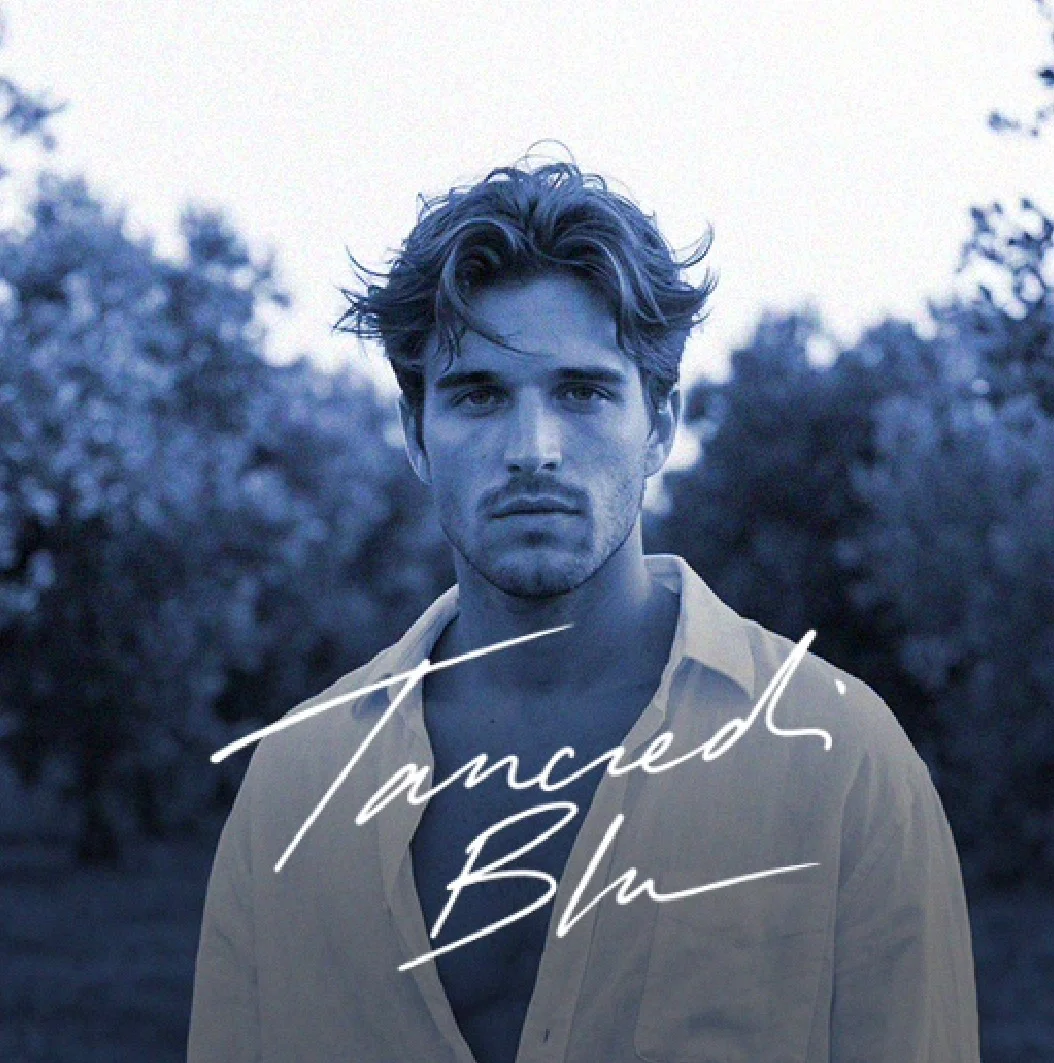
Tancredi Blu
Dove Ci Nascondeva Maggio
“Somewhere between the silence of the sea and the noise of my thoughts.”
2/6 by the artist